

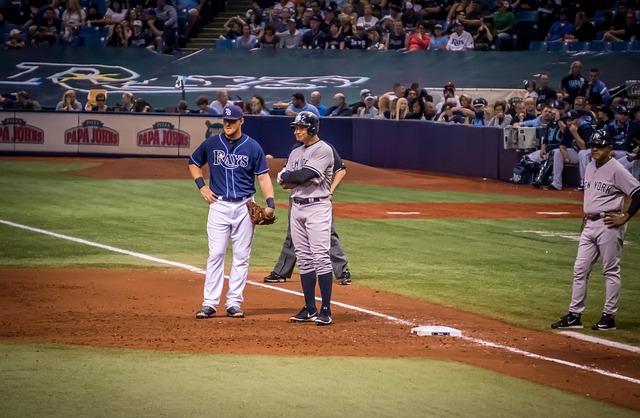
In a disappointing display of offensive prowess, the Boston Red Sox were held to just four hits in their latest matchup against the Tampa Bay Rays, highlighting ongoing struggles at the plate for the team. The Rays leveraged strong pitching and strategic defense to stifle the Red Sox, who have been grappling with inconsistent performance this season. As the competition intensifies, fans and analysts alike are left questioning the future of Boston’s batting lineup. In this article, we delve into the key moments of the game and analyze the factors contributing to the Red Sox’s lackluster offensive output.
Rays Dominate Pitching Battle Against Troubled Red Sox Offense
The Tampa Bay Rays showcased their dominant pitching as they completely stifled the Boston Red Sox, holding them to a mere four hits during their latest clash at Fenway Park. The Rays’ starting pitcher delivered a masterclass performance, mixing speeds and keeping the Boston hitters off balance all night. With a commanding presence on the mound, he struck out several key players in clutch situations, effectively silencing a lineup that has struggled to find its rhythm. The use of pinpoint control and strategic pitching selections gave the Rays an invaluable advantage, allowing them to dictate the pace of the game.
This latest offensive struggle for the Red Sox highlights a growing concern for fans and management alike. Key hitters, who were once seen as cornerstones of the lineup, continue to falter under pressure. The team failed to capitalize on any scoring opportunities, leading to an embarrassing exit from this pitching duel. Among the main issues plaguing the offense are:
- Inconsistent batting averages
- Limited base runners
- Poor situational hitting
As the season progresses, questions begin to emerge regarding the team’s ability to perform under pressure. A closer look at the team’s recent games shows a troubling trend that could affect their chances of playoff contention.
- Advertisement -
| Statistic | Rays | Red Sox |
|---|---|---|
| Hits | 10 | 4 |
| Strikeouts | 8 | 10 |
| Home Runs | 2 | 0 |
Analyzing the Key Factors Behind Boston’s Struggles at the Plate
The Boston Red Sox have been grappling with a series of offensive challenges that have become increasingly apparent during recent games. In their latest outing against the Tampa Bay Rays, the team managed to produce a mere four hits, illustrating a broader trend of inconsistency at the plate. Key factors contributing to this struggle can be distilled into several critical elements:
- Underperforming Starters: Core players, who are expected to drive the offense, have failed to deliver consistent performances.
- Plate Discipline Issues: The team has demonstrated a tendency to swing at pitches outside the strike zone, resulting in a higher number of strikeouts.
- Lack of Power Hitting: Home runs, previously a strength, have dwindled, putting increased pressure on the lineup to generate runs through singles and doubles.
Analyzing their batting averages against key pitchers in recent matchups further underscores their difficulties. The table below highlights the Red Sox’s performance against some of the notable pitchers they’ve faced, showcasing the stark contrast in their offensive production.
| Pitcher | Innings Pitched | Hits Allowed | ERA |
|---|---|---|---|
| Tyler Glasnow | 7 | 2 | 2.57 |
| Drew Rasmussen | 6 | 1 | 3.12 |
| Shane McClanahan | 5 | 1 | 2.82 |
This statistical review highlights not only the efficiency of opposing pitchers but also the pressing need for the Red Sox to adjust their approach at the plate. Addressing these key factors will be essential for turning around their offensive fortunes as they progress through the season.
Strategies for Red Sox to Reignite Their Slumping Batting Lineup
The Red Sox have stumbled significantly in their offensive performance, with their recent outing against the Rays showcasing a staggering four-hit effort. To turn things around and revitalize their batting lineup, focusing on the fundamentals of hitting may be essential. Reassessing plate discipline and embracing a more patient approach at the plate can help the players wait for better pitches, potentially leading to improved contact and runs scored. Additionally, team-wide video sessions to analyze swings and pitches can enhance individual adjustments, allowing hitters to identify and correct flaws in their mechanics.
- Advertisement -
Moreover, creating a supportive environment through team-building activities may help strengthen the camaraderie among players, boosting morale during tough stretches. Implementing rotational changes in the batting order might also provide fresh looks and different match-ups against opposing pitchers, igniting a spark in the lineup. Teams often experience ebbs and flows, so investing in mental coaching to build resilience and confidence can play a pivotal role in turning slumps into victories. The following table outlines potential strategies that could be implemented:
| Strategy | Description |
|---|---|
| Plate Discipline Training | Focus on swing selection and waiting for quality pitches. |
| Video Analysis Sessions | Examine past performances for mechanical adjustments. |
| Team-Building Events | Encourage unity and boost morale through bonding activities. |
| Lineup Adjustments | Experiment with player positions and order to find optimal match-ups. |
| Mental Coaching | Provide mental health resources to enhance players’ confidence. |
In Summary
In conclusion, the Boston Red Sox faced yet another frustrating night at the plate, yielding only four hits in a lackluster offensive display against the Tampa Bay Rays. This latest performance raises questions about the team’s ability to capitalize on scoring opportunities and adapt against tough pitching. As the Red Sox regroup and look to turn their fortunes around, fans will be watching closely for signs of improvement in the upcoming games. With the season still young, the potential for a turnaround remains, but time is of the essence for a squad eager to reclaim its competitive edge in the American League.