

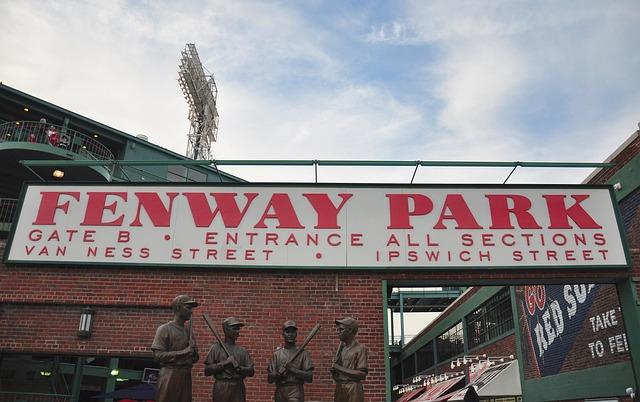
As the Major League Baseball season progresses and the trade deadline looms, speculation around the Boston Red Sox’s strategy intensifies. With a roster teetering between potential and unpredictability, the iconic franchise faces a critical decision: Should they buy, selling prospects for immediate gain, sell off assets to rebuild, or strike a delicate balance between the two? Analyzing their current standing in the competitive AL East and the implications of various trade strategies, this article delves into the Red Sox’s options, evaluating what the future may hold for one of baseball’s most storied teams. As discussions heat up in the front office and among fans, the outcome of this pivotal moment could shape the trajectory of the franchise for years to come.
Analyzing Team Performance and Fan Expectations for the Red Sox
The Boston Red Sox find themselves at a critical juncture this season, where the balance of buying, selling, or maintaining their current roster is essential for not only team performance but also fulfilling fan expectations. Historically, the Red Sox are synonymous with high stakes and high rewards in Major League Baseball. With a mix of veteran presence and promising young talent, the organization’s decision-making must be informed by a comprehensive analysis of current performance metrics and future potential. Key players have shown fluctuations in consistency, leading to debates on whether to reinforce the squad with strategic acquisitions or capitalize on trade opportunities to build for the future.
To better understand the fan base’s sentiment and expectations, it is vital to assess their view on the team’s trajectory. Recent surveys indicate that a sizable portion of fans believe in immediate competitiveness, while others lean towards a long-term rebuilding strategy. This dichotomy is reflected in the following key sentiments:
- Desire for Playoff Appearances – Many are hopeful for a strong finish, emphasizing the need for supplemental talent.
- Care for Homegrown Talent – There’s a growing appreciation for developing young players, suggesting a willingness to endure some short-term setbacks for long-term success.
- Frustration with Management Decisions – Some fans express disappointment over recent trades and contracts, calling for clearer vision from the front office.
| Aspect | Fan Sentiment |
|---|---|
| Team Performance | Inconsistent |
| Trade Interest | 50% Buy, 30% Sell, 20% Balance |
| Future Outlook | Mixed |
Identifying Key Players and Trades to Consider in the Upcoming Season
As the Boston Red Sox gear up for the upcoming season, it’s essential to assess the roster and identify which players could be pivotal in altering the team’s fortunes. Currently, key players like Rafael Devers and Xander Bogaerts are under scrutiny, as their performance could dictate the team’s direction. Notably, the prospect of acquiring a reliable starting pitcher could bolster the rotation, which has struggled in recent seasons. Potential candidates include:
- Advertisement -
- Shane Bieber – Cleveland Guardians
- Luis Castillo – Seattle Mariners
- Tyler Mahle – Cincinnati Reds
On the other hand, considerations for trading could also be on the table. With a surplus of outfield talent, players like Alex Verdugo may attract interest from teams looking to capitalize on a promising young hitter. Additionally, seeking to gain more pitching depth through trades involving bench players could provide the Red Sox with the necessary assets to make a competitive leap. A potential trade scenario could look like the following:
| Player | Trade Value | Potential Destination |
|---|---|---|
| Alex Verdugo | High | Toronto Blue Jays |
| Jeter Downs | Moderate | Milwaukee Brewers |
Strategic Approaches: Balancing Future Prospects with Immediate Needs
As the Boston Red Sox find themselves at a pivotal juncture in the season, the decision to either buy or sell in the trade market becomes increasingly complex. The front office must carefully weigh the implications of immediate acquisitions against the long-term vision for the team. A strategic approach may involve a blend of both methodologies, ensuring that the current roster is bolstered while also investing in future talent. Key considerations include:
- Player Development: Assessing the prospects in the minor leagues who could make a significant impact in the coming years.
- Contract Situations: Analyzing the financial commitments of current players to allocate resources effectively.
- Market Dynamics: Understanding the landscape of potential trades and the value of available assets.
A balanced strategy could manifest in targeted acquisitions that address immediate weaknesses without depleting the farm system. This approach enables the Red Sox to remain competitive while keeping an eye on the horizon. To further illustrate potential scenarios, the table below summarizes key targets and their contributions this season:
| Player | Position | Current Stats | Future Potential |
|---|---|---|---|
| Player A | Pitcher | 3.50 ERA | High |
| Player B | Outfielder | .280 AVG, 20 HR | Medium |
| Player C | Infielder | 2.5 WAR | High |
In Summary
In conclusion, the decision facing the Boston Red Sox as the trade deadline approaches is a complex one that will require careful consideration of both immediate needs and long-term aspirations. Whether the organization opts to buy, sell, or strike a balance, the implications of their choices will undoubtedly resonate throughout Fenway Park and beyond. With a fanbase eager for both competitiveness and a sustainable future, the front office holds the reins to a critical juncture in the franchise’s trajectory. As the clock ticks down to the deadline, all eyes will be on Boston’s next moves, with the potential to redefine the team’s identity in the months and years to come. Stay tuned for further developments as we monitor the Red Sox’s path forward in what promises to be an intriguing chapter of the 2023 season.
- Advertisement -