

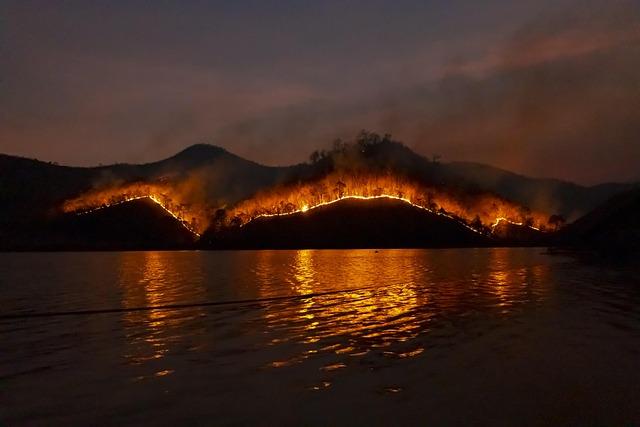
As thick plumes of wildfire smoke enveloped Philadelphia, the atmosphere at Citizens Bank Park took on an otherworldly haze, blending the excitement of a pivotal baseball game with a palpable air of uncertainty. On a day when health officials urged caution, the Philadelphia Phillies and New York Mets took to the diamond, undeterred by the diminished visibility and deteriorating air quality. The matchup, a clash of National League rivals, unfolded against a backdrop that highlighted not only the resilience of the players but also the broader implications of environmental challenges facing the region. As fans donned masks and braved the smoke, the scene served as a stark reminder of how climate issues are intruding into the fabric of everyday life, even in the timeless backdrop of America’s pastime.
Wildfire Smoke Disrupts Philadelphia Atmosphere as Phillies and Mets Face Off
The atmosphere over Philadelphia took on an eerie tint as smoke from distant wildfires enveloped the city, casting a haze across Citizens Bank Park. Despite the reduced visibility and the unusual air quality, the Phillies and Mets squared off in their highly anticipated matchup. Fans donned masks and adapted to the thickened air, a surreal backdrop to the sights and sounds of America’s pastime. Players, while aware of the smoky conditions, remained focused on their performance, determined to push through the challenges posed by the murky sky.
The impact of the smoke went beyond just ambiance; health officials issued warnings urging residents to limit outdoor activities. Nevertheless, the excitement surrounding the game persisted. Key factors shaping the night included:
- Health Advisories: Local officials recommended face coverings.
- Modified Gameplay: Slightly slower play as players adjusted to their surroundings.
- Fan Adaptations: Spectators came prepared with hydration and gear suitable for the conditions.
As the teams battled it out on the field, fans and players alike hoped for clearer skies ahead, reminding them of the resilience inherent in both the sport and the spirit of the city.
- Advertisement -
Health Implications of Air Quality Deterioration During Outdoor Sports Events
The decision to continue with outdoor sports events amidst deteriorating air quality poses serious health risks for both athletes and spectators. Wildfire smoke introduces a mix of harmful particles and gases into the atmosphere, which can exacerbate pre-existing health conditions and lead to acute respiratory issues. Athletes performing under these conditions may experience:
- Increased shortness of breath
- Worsened asthma symptoms
- Heightened risk of cardiovascular strain
Furthermore, individuals with sensitive skin or pre-existing conditions may find themselves more vulnerable to irritations and allergic reactions, making the enjoyment of a game significantly compromised.
For fans and participants alike, awareness around the air quality index (AQI) during outdoor games is crucial. Organizations and medical professionals suggest several precautionary actions, including limiting physical exertion and staying hydrated while monitoring local advisories. Facilities can play a vital role in ensuring that air quality measures are respected, potentially implementing air filtration systems in enclosed areas where spectators gather. Here’s a brief overview of recommended safety levels:
| Air Quality Index (AQI) Range | Health Implications |
|---|---|
| 0-50 (Good) | No health impacts |
| 51-100 (Moderate) | Consider limiting outdoor exercises if you are unusually sensitive |
| 101-150 (Unhealthy for Sensitive Groups) | Avoid prolonged outdoor exertion; sensitive individuals may experience effects |
| 151-200 (Unhealthy) | Everyone may begin to experience health effects; outdoor activity should be avoided |
Strategies for Spectators and Players to Stay Safe Amidst Hazy Conditions
As the Phillies face off against the Mets under a shroud of smoky haze, ensuring safety for both players and spectators is paramount. Amid these challenging conditions, it is crucial to adopt certain strategies to minimize health risks associated with poor air quality. To protect oneself and others, individuals should:
- Advertisement -
- Monitor Air Quality: Stay informed by checking local air quality indexes and forecasts before attending or participating in events.
- Wear Protective Masks: Consider wearing N95 or similar masks that are designed to filter out harmful particles.
- Stay Hydrated: Drink plenty of water to help mitigate the effects of smoke inhalation and keep your body functioning optimally.
- Limit Outdoor Activities: If conditions are particularly poor, prioritize indoor concerns over outdoor activities when possible.
For organizations and event coordinators, fostering a safe environment is equally important. They can implement the following practices to safeguard all involved:
- Provide Clear Signage: Post signs about the health risks associated with poor air quality and encourage spectators to seek shelter if necessary.
- Develop Emergency Plans: Prepare and communicate evacuation and health response strategies in the event of deteriorating conditions.
- Offer On-Site Assistance: Have trained staff and first aid resources readily available to assist those affected by haze-related illnesses.
Insights and Conclusions
As the haze of wildfire smoke settled over Philadelphia, the Philadelphia Phillies and New York Mets faced off in a surreal yet determined display of baseball amidst the air quality challenges. Players and fans alike remained resilient, showcasing not only their passion for the sport but also their ability to adapt to unforeseen circumstances. The game continued, a testament to the enduring spirit of baseball and its place in the hearts of fans, even in the face of environmental adversity. Moving forward, the implications of such weather phenomena extend beyond the diamond, prompting discussions about public health and safety in the realm of outdoor sports. As both teams wrapped up the game, they did so not only with hopes of victory but with an awareness of the broader challenges that lie ahead, both on and off the field.