

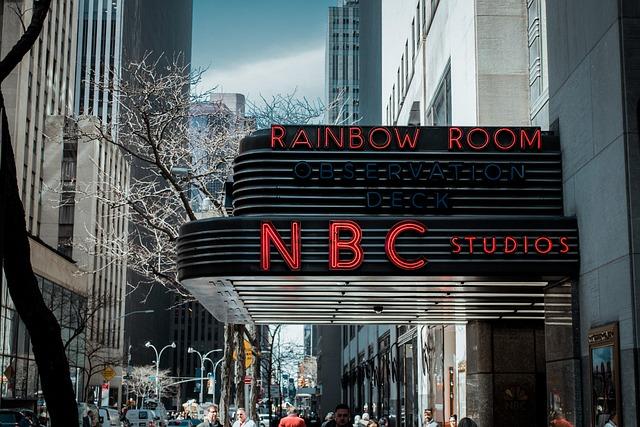
In the ever-evolving landscape of sports broadcasting, conflicts often reveal unexpected opportunities. The recent clash between NBC and the PGA Tour over Major League Baseball (MLB) coverage has become a focal point for sports fans and media analysts alike. As both entities vie for viewer attention during overlapping schedules, what has emerged is a unique scenario that benefits audiences through increased engagement and diverse programming options. This article delves into the implications of the NBC-PGA-MLB dispute, exploring how, in the realm of sports viewership, the outcome might just be a win-win for fans craving high-quality content across multiple platforms.
NBC’s PGA-MLB Broadcast Clash Unlocks New Viewer Demographics
The recent scheduling conflict between NBC’s PGA Tour and Major League Baseball broadcasts presents a unique opportunity for both sports to tap into previously unexplored viewer demographics. As fans of golf and baseball traditionally exhibit differing viewing habits, the overlap will likely encourage crossover interest from audiences that may otherwise not engage with both sports. This assessment highlights several potential benefits:
- Increased Engagement: Fans of one sport may discover a newfound appreciation for the other.
- Diverse Advertising Opportunities: Brands can target dual audiences, potentially expanding their market reach.
- Innovative Broadcast Techniques: Networks may experiment with hybrid viewing experiences, such as split screens or multi-angle feeds.
Additionally, this clash could drive innovation within the broadcasting realm as networks leverage strategic programming to keep audiences tethered to their screens. As each sport brings passionate fan bases to the table, we may see an elevation in viewership numbers that benefit both leagues significantly. Consider the following table that captures the potential crossover effects in viewership demographics:
| Demographic | PGA Viewership | MLB Viewership |
|---|---|---|
| 18-34 Years | 30% | 40% |
| 35-54 Years | 45% | 35% |
| 55+ Years | 25% | 25% |
Analyzing Audience Engagement: The Positive Impact on Sports Viewership
The ongoing conflict between NBC’s PGA Tour and MLB broadcasts has catalyzed a unique opportunity for both sports, unprecedented in its potentiality for viewership growth. As fans are often torn between their favorite events during overlapping schedules, the heightened awareness of both sports has led to increased engagement across various platforms. Audiences are not only tuning in for the thrill of the competition but are also becoming more interactive through social media discussions and live commentary-contributing to a vibrant community experience that adds depth to traditional viewership metrics.
This surge in engagement can be attributed to several factors that capitalize on the audience’s desire for multifaceted sports experiences:
- Dynamic Viewing Options: With multiple streaming platforms covering both events, audiences have the flexibility to switch between broadcasts seamlessly.
- Social Media Integration: Fans actively share highlights, opinions, and reactions, amplifying the excitement surrounding each sport.
- Cross-Promotion Opportunities: Both sports are leveraging each other’s audiences through joint marketing strategies, enticing fans to explore new forms of entertainment.
To quantify the viewer interest, consider the data below comparing audience figures during key events for both sports:
- Advertisement -
| Sport | Event Type | Viewers (Millions) |
|---|---|---|
| PGA Tour | Major Championship | 8.5 |
| MLB | World Series Game | 10.2 |
| PGA Tour | Regular Tournament | 3.5 |
| MLB | Regular Season Game | 2.8 |
This fiscal year, both leagues are projected to see a rise in their viewer numbers due not just to loyal fanbases but rather a new generation of sports enthusiasts who thrive on accessibility and connectivity. The resulting positive synergy stands to benefit all parties involved.
Strategic Partnerships and Scheduling Insights for Future Sports Broadcasts
The recent scheduling conflict between the PGA Tour and Major League Baseball has unfolded new dynamics in sports broadcasting, effectively enhancing viewership options for fans across the board. By strategically aligning their broadcast schedules, NBC has created a scenario where golf enthusiasts can indulge in their passion while still keeping an eye on America’s pastime. The decision to air PGA events during MLB games is a bold move, emphasizing the network’s commitment to diversifying sports content and maximizing audience engagement. This overlap not only captures the interest of dual-sport fans but also opens avenues for marketing collaborations that can benefit both leagues.
Key elements highlighting this strategic partnership include:
- Cross-Promotion Opportunities: Both sports benefit from cross-viewership, leading to increased advertising revenue.
- Audience Expansion: Enhanced content variety can draw in a broader demographic, catering to varying interests among viewers.
- Innovative Broadcast Techniques: Utilizing split-screen technology may enhance viewer experience by allowing simultaneous viewing of key matches.
Furthermore, NBC is poised to utilize data analytics to further refine its scheduling strategy, ensuring that it meets the demands of viewers while maintaining competitive edge. Future broadcasts will likely integrate fan feedback mechanisms to assess preferences, allowing a more customized viewing experience. As sports broadcasting continues to evolve, these insights may influence how networks shape their programming strategies, ultimately benefiting all stakeholders involved.
- Advertisement -
The Conclusion
In conclusion, the ongoing conflict between NBC’s PGA Tour coverage and Major League Baseball’s programming has inadvertently created a win-win scenario for viewership. As fans are presented with a variety of options in sports entertainment, ratings for both events are likely to benefit from the heightened attention and competition. This situation underscores the evolving landscape of sports broadcasting, where overlapping schedules can lead to increased audience engagement rather than diminished viewership. As networks navigate these challenges, the ultimate victor remains the sports fan, who finds themselves with a wealth of choices in a dynamic viewing environment. As we continue to monitor this development, it will be interesting to see how both leagues and networks adapt their strategies to capitalize on this unique cross-section of sports media.