

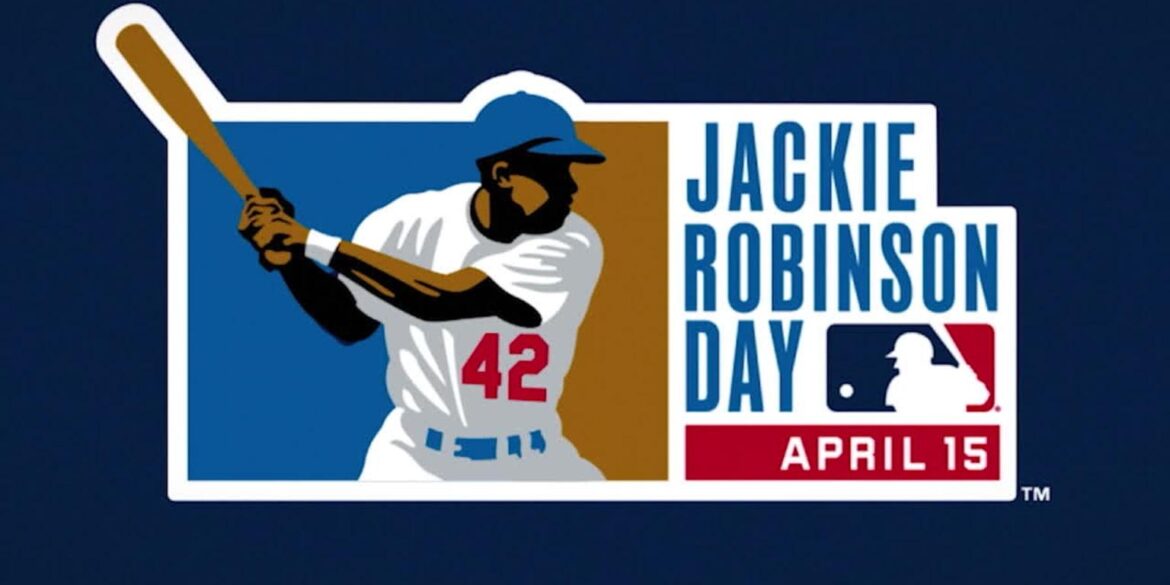
In a nation increasingly polarized by political rhetoric and social injustice, Major League Baseball’s annual celebration of Jackie Robinson Day serves as a poignant reminder of the struggle for equality and inclusion in America. Yet, as the league commemorates the legacy of the first African American player to break the color barrier in 1947, questions arise about the relevance of this tribute in today’s tumultuous climate, particularly during the presidency of Donald Trump. This juxtaposition presents a complex narrative: while MLB honors Robinson’s indelible impact on the sport and society, it together navigates the complexities of its own response to contemporary issues of race and inequality. As fans and commentators alike reflect on the significance of this day, the conversation extends beyond the diamond, prompting us to examine not only how far we have come but also how far we have yet to go in the pursuit of true equality within the sport and the nation at large.
exploring the Historical Significance of jackie Robinson Day in Contemporary America
The annual celebration of Jackie Robinson Day transcends the realm of sports,serving as a poignant reminder of the racial struggles America has confronted. This day honors not only Robinson’s remarkable achievements as the first African American to play in Major League Baseball but also the broader fight for civil rights that continues to resonate today. Amidst today’s political landscape, characterized by divisive rhetoric and a resurgence of nationalism, Robinson’s legacy prompts urgent reflection on issues of racism, equality, and social justice. The major League Baseball (MLB) has made strides in recognizing this significance; however, there remains a palpable disconnect in how thes gestures are communicated, particularly during politically charged times.
in a climate where the lines between sports and political discourse blur, one must question how effectively MLB is leveraging its platform to address the ongoing implications of Robinson’s legacy. While players don the iconic number 42 as a symbol of solidarity, there’s a growing expectation for the league to engage more deeply with current societal issues. Key areas for further exploration include:
- The role of sports in social change
- Depiction in leadership and management within MLB
- Community outreach and engagement programs
A closer examination of how MLB addresses these areas during Jackie Robinson Day might provide insight into its commitment to upholding Robinson’s legacy in a meaningful way. Baseball,as America’s pastime,holds the potential to be a catalyst for social discussion and change—an prospect that must be embraced with clarity and authenticity.
- Advertisement -
The Role of MLB in Addressing Racial Equality Amid Political Tensions
As Major League Baseball (MLB) navigates the complex landscape of political tensions in the United States, its commitment to fostering racial equality has come under scrutiny. While Jackie Robinson Day serves as a powerful reminder of progress and the fight against racial injustice, the league’s messaging frequently enough appears diluted amid the polarized atmosphere of contemporary politics. Observers argue that while honoring Robinson’s legacy is crucial, the MLB must take bolder stances on current issues, allowing players and fans to engage in dialog about ongoing racial inequality both on and off the diamond.
To effectively fulfill this role, MLB can consider adopting several key strategies:
- Player Empowerment: Encourage athletes to use their platforms to advocate for social causes.
- Community Engagement: Invest in educational programs and initiatives that promote diversity and inclusion within the sport.
- Collaborative Partnerships: Form alliances with organizations dedicated to fighting racial discrimination and promoting equality.
| Initiative | Description |
|---|---|
| Player Advocacy | Encouraging players to speak openly about racial inequalities. |
| Youth Programs | Developing outreach programs in underserved communities. |
| Awareness Campaigns | Running campaigns promoting understanding of racial issues. |
By amplifying its efforts in these areas, MLB can not only honor Jackie robinson’s legacy but also position itself as a leading voice in the quest for racial justice. The challenge lies not just in remembrance, but in proactive engagement that prompts meaningful change within and beyond the baseball diamond.
Strategies for Baseball to Honor Legacy Through Active Engagement and Advocacy
As the baseball world celebrated Jackie Robinson Day, the question of genuine engagement with his legacy looms large. To honor Robinson’s impact, Major League Baseball must actively promote diversity and inclusion both on and off the field. Strategies can range from fostering youth programs in underrepresented communities to implementing initiatives that support minority-owned businesses in the sporting industry. By creating partnerships that amplify voices and experiences, MLB can shift from symbolic gestures to considerable actions that resonate with Robinson’s fight for equality.
Additionally, advocating for social justice within the game is crucial in today’s sociopolitical climate. MLB can host town hall events and discussions that invite both players and the public to address contemporary issues facing marginalized communities. This would not only fulfill a duty to honor Robinson’s legacy but also serve to align the league with current movements for change. By leveraging its platform, MLB can become a beacon for advocacy, showcasing how sports can drive social progress while paying homage to historic figures who paved the way for future generations.
The conclusion
As the conversation surrounding race and inclusion in America continues to evolve, Major League Baseball’s annual Jackie Robinson Day serves as both a celebration of progress and a reminder of the work still needed. While the league honors Robinson’s legacy, the absence of a robust dialogue around the current sociopolitical climate raises questions about its commitment to addressing contemporary issues of racial inequality. In an era marked by polarization and division,the challenge remains for MLB—and indeed for all institutions—to not only commemorate heroes like Robinson but also to actively engage with the complexities of today’s societal struggles. As fans reflect on the significance of this day, it is crucial to remember that the fight against racism and for equality must persist both on and off the field. Jackie robinson’s legacy is not merely a point of history; it is a call to action that invites all to consider their role in creating a more just society.
- Advertisement -