

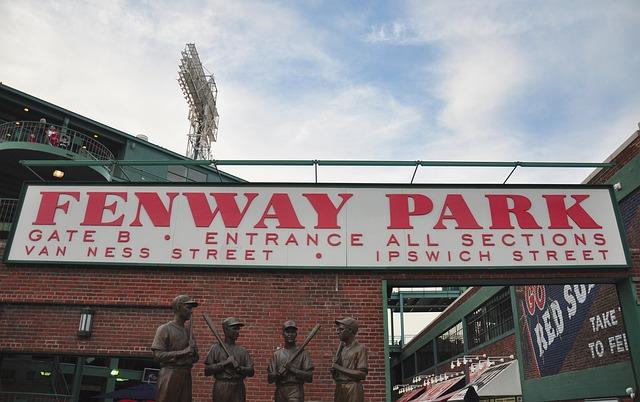
In a season marked by uncertainty and shifting dynamics, the Boston Red Sox are sending clear signals regarding the future of a pivotal 28-year-old player on their Major League Baseball roster. As the team navigates the complexities of player performance, injuries, and off-season strategies, the status of this key athlete has become a focal point of speculation among fans and analysts alike. The Red Sox’s recent decisions and statements hint at potential changes, raising questions about roster construction and long-term planning for a franchise eager to reclaim its competitive edge. In this article, we delve into the implications of these signals and what they could mean for both the player in question and the team’s prospects moving forward.
Red Sox Evaluate 28-Year-Old’s Future Amid Roster Decisions
The Boston Red Sox find themselves at a crossroads as they assess the future of their 28-year-old player. Speculation is swirling around the organization regarding potential roster changes for the upcoming season, and this player’s performance has become a focal point in those discussions. Front office executives are weighing a variety of factors as they make their evaluations, including the player’s statistical contributions, defensive capabilities, and potential trade value. The balance between nurturing young talent and maximizing current squad synergy remains delicate, pushing the franchise to consider all angles before making any definitive roster moves.
In light of recent performances, any decision surrounding the player will likely consider several key aspects, including:
- Performance Metrics: A detailed look into batting averages, on-base percentages, and defensive statistics will play a crucial role.
- Injury History: Past health issues have influenced past decisions and could affect future considerations.
- Team Needs: Evaluating how this player’s skills fit into the current team dynamics is essential for planning.
The Red Sox front office seems committed to conducting a thorough evaluation, making sure every angle is explored. This process will ultimately shape the future direction of the team, with implications for player development and potential trades in the coming months.
- Advertisement -
Impact of Performance Metrics on Player’s MLB Standing
As teams make crucial roster decisions, the role of performance metrics has become increasingly paramount in assessing a player’s value. For the 28-year-old in question, advanced statistics such as WAR (Wins Above Replacement), OPS (On-base Plus Slugging), and defensive metrics will significantly influence his standing within the Red Sox organization. These metrics don’t just reflect a player’s past performance but also project future success, serving as essential benchmarks for both management and fans alike. A keen analysis of his recent stats reveals both strengths and weaknesses that might sway management’s decisions moving forward.
Moreover, the intersection of player statistics and team needs is critical in crafting a competitive roster. The Red Sox must evaluate how this player’s metrics align with their pitching staff’s dynamics and the overall team strategy. Key performance indicators such as strikeout ratios and batting averages in high-leverage situations will be under scrutiny as the front office deliberates. A quick overview of some relevant metrics appears in the table below:
| Metric | Value |
|---|---|
| WAR | 3.1 |
| OPS | .870 |
| Strikeout Rate | 22% |
Potential Pathways for Player Retention and Development
As the Red Sox continue to evaluate their roster for the upcoming season, their focus on the 28-year-old player highlights critical opportunities in player retention and development strategies. By fostering a competitive environment, the organization can enhance the skill set of its players, nurturing not only on-field abilities but also off-field professionalism. To strengthen these pathways, the Red Sox can implement the following initiatives:
- Mentorship Programs: Pairing younger players with experienced veterans can foster skill development and a stronger team culture.
- Performance Analytics: Utilizing advanced metrics to create tailored training regimens, addressing individual player weaknesses and strengths.
- Open Communication Channels: Encouraging feedback loops between management and players can ensure needs and concerns are addressed proactively.
- Community Engagement: Involving players in local initiatives can enhance their public profile and strengthen team loyalty.
Moreover, understanding the financial implications of roster decisions is crucial for long-term stability. Here’s a snapshot of potential financial commitments tied to player contracts:
- Advertisement -
| Player Age | Current Contract | Years Left | Potential Value |
|---|---|---|---|
| 28 | $3 million | 2 | $6 million |
| 27 | $2.5 million | 3 | $7.5 million |
By integrating these strategies, the Red Sox can efficiently navigate roster dynamics while ensuring that their top talent remains engaged and productive. Effective player development creates not just skilled athletes, but also committed teammates who embody the franchise’s values on and off the field.
In Summary
In conclusion, the ongoing evaluations and strategic conversations surrounding the 28-year-old player underscore the ever-evolving landscape of the Boston Red Sox roster as they prepare for the upcoming season. As management weighs performance metrics, player potential, and the team’s competitive needs, fans and analysts alike will be closely monitoring any developments. The decision regarding this player’s future not only reflects the organization’s immediate plans but also its broader vision for sustained success in Major League Baseball. With the season drawing nearer, all eyes will be on Fenway Park to see how these signals translate into roster decisions.